Write Your Year on a Postcard

Today we explore Postcard Planning: Capturing Your Next 12 Months in 100 Words, a playful, disciplined way to design your future with startling clarity. By shaping a single, vivid message to your future self, you distill priorities, imagine outcomes, and commit to actions you can actually finish. Grab a pen, a card, and a bold intention; together we will write a portable year that fits in your pocket and moves your feet.

Why 100 Words Work

A small box creates big focus. Limiting yourself to exactly one hundred words forces trade-offs, strips filler, and spotlights what truly matters across the next twelve months. Psychologists call this a desirable difficulty; writers call it craft. You gain specificity, momentum, and an honest, memorable promise you can revisit without dread.

Choose a Scene that Pulls You Forward

Pictures persuade faster than paragraphs. Select a photo or illustration that represents the feeling you want recurring next year: steady, brave, playful, alive. Every glance should nudge you toward small actions. Avoid cluttered collages; a single, resonant image will carry surprising motivational weight for months.

Front Side: One Image, One Feeling

Keep the front almost empty except for the image and a short line you love. Treat it like a postcard you would proudly mail to a friend. If your heart lifts when you see it, your calendar will learn to lift with it.

Back Side: 100 Words, Four Anchors

To reach one hundred without rambling, distribute sentences across four anchors: achievements, relationships, habits, and adventure. This balances doing with becoming. You will remember to build results, grow people, maintain energy, and schedule delight, creating a year that succeeds without feeling sterile.

Designing Your Postcard

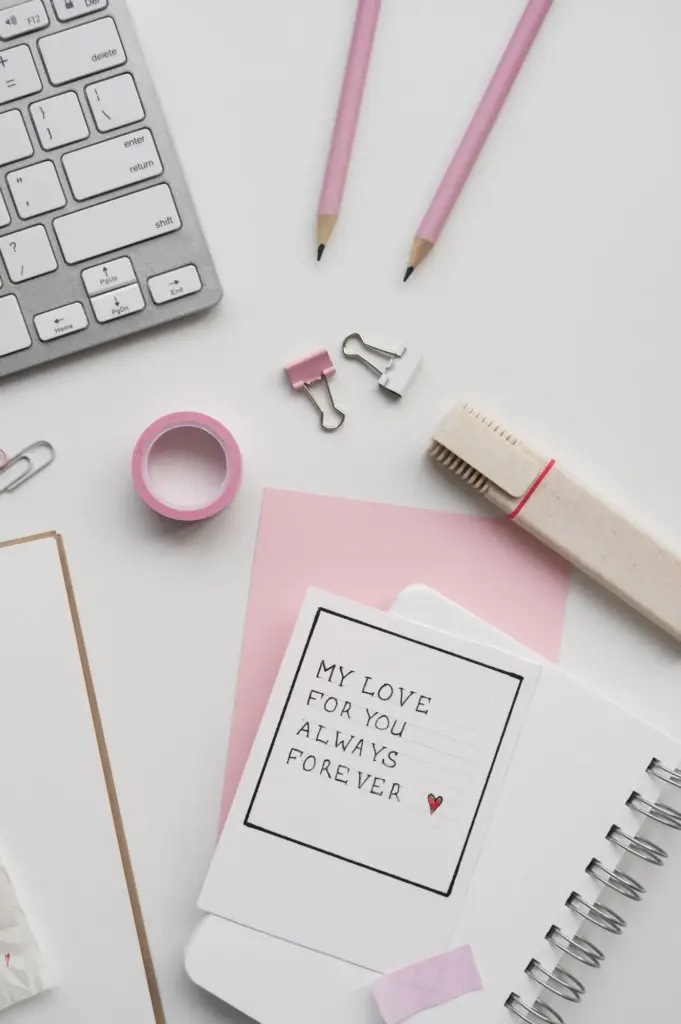
Make it tactile and irresistible. Choose cardstock or a digital card you can actually hold or see daily. The front invites emotion; the back delivers commitments. Use white space generously, a date stamp for accountability, and a headline that feels like music rather than management.

Writing the 100 Words

Begin boldly, continue specifically, finish warmly. Write in the present tense as if December has already arrived and you are mailing congratulations to your future self. Prefer active verbs, measurable milestones, and names of helpers. Keep sentences short, musical, and kind to the person reading.

Quarterly Translation

Split the postcard into four focus areas and assign each to a season. Draft a single sentence per quarter describing what will be finished. Add two enabling habits. Simplicity beats complexity because it survives fatigue, illness, travel plans, and delightful, unavoidable surprises.


Weekly Rituals

Choose a small ritual that reconnects you to the card every Monday morning or Sunday evening. Read it aloud. Post it beside your kettle. Share one line with a friend. These micro-ceremonies train your attention and create momentum without demanding heroic willpower daily.

Habit Stacking and Triggers

Attach actions to existing routines so they occur even when motivation dips. After I brush my teeth, I review one sentence. When I close my laptop, I plan tomorrow’s first task. Triggers turn grand annual aspirations into consistent, unremarkable progress.

Stories From the Mailbox

Real lives change when intentions become portable and visible. Over coffee and trains, people have posted their hundred words and watched decisions align. These short notes do not guarantee ease; they grant direction, resilience, and community when shared with people who cheer progress loudly.

Share, Display, and Revisit

Visibility multiplies commitment. Place the card where eyes land daily, speak it aloud with allies, and celebrate small completions quickly. You can even mail yourself a second copy to open midyear. Public promises invite encouragement, course corrections, and the courage to try again tomorrow.
Vexorinonilopento
Privacy Overview

This website uses cookies so that we can provide you with the best user experience possible. Cookie information is stored in your browser and performs functions such as recognising you when you return to our website and helping our team to understand which sections of the website you find most interesting and useful.